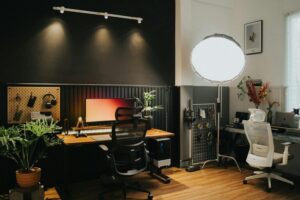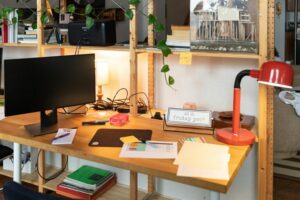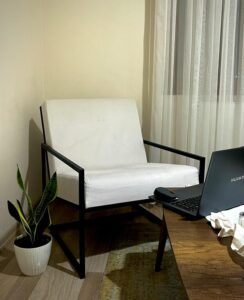
Tips for Creating a Productive Home Office Environment
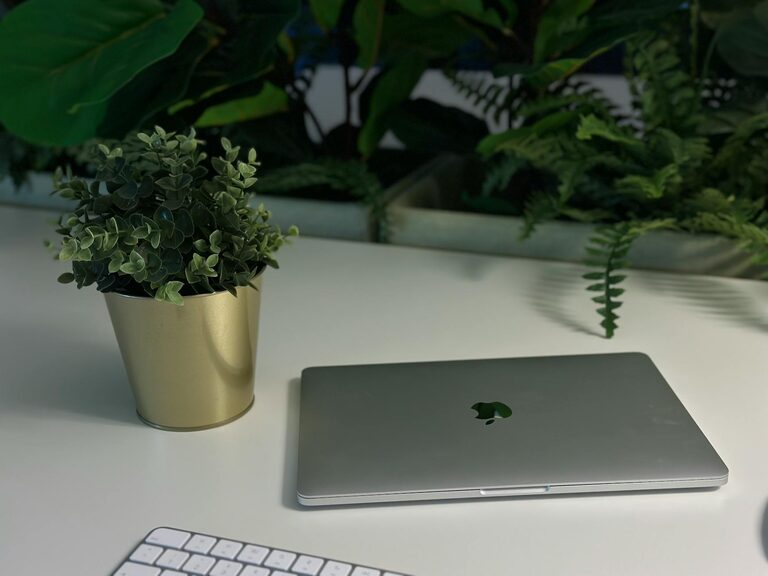
Creating a productive home office environment is essential for anyone working remotely or managing tasks from home. A well-organized and comfortable workspace can significantly improve focus, reduce stress, and increase efficiency. If you’re looking to boost your productivity while working from home, here are some practical tips to help you create an ideal home office.
1. Choose the Right Location
Consider Natural Light and Quietness
Select a space in your home that gets plenty of natural light, as it helps boost mood and alertness. Avoid high-traffic or noisy areas to minimize distractions. If you don’t have a separate room available, try to create a designated nook where you can focus on work.
Allocate Enough Space
Ensure there’s enough room for your desk, chair, and any equipment you need. A cramped space can feel cluttered and cause discomfort, which might reduce your productivity.
2. Invest in Comfortable and Ergonomic Furniture
Ergonomic Chair
Since you’ll be sitting for extended periods, an ergonomic chair can support your posture and reduce strain on your back and neck. Look for adjustable chairs with lumbar support.
Suitable Desk
Your desk should be at a height that allows you to work comfortably with your hands resting naturally on the keyboard and your feet flat on the floor. Standing desks or adjustable desks are also good options if you prefer alternating between sitting and standing.
3. Organize Your Workspace
Declutter Regularly
Keep your desk clean and free of unnecessary items. A clutter-free space can minimize distractions and help you stay focused.
Use Storage Solutions
Use shelves, drawers, or containers to keep supplies organized and within easy reach. Labeling storage boxes can save time when you need to find something quickly.
4. Optimize Lighting
Combine Natural and Artificial Lighting
While natural light is best, ensure you have a good desk lamp for cloudy days or late hours. Choose lighting that is bright enough without causing glare on your screen.
Position Your Screen Properly
Place your monitor so that windows or lights don’t cause reflections or glare on the screen, which can strain your eyes.
5. Minimize Distractions
Set Boundaries
If you share your home with others, communicate your work hours and ask for support in minimizing interruptions.
Use Noise-Canceling Headphones
If noise is unavoidable, especially in a busy household, noise-canceling headphones or white noise machines can help create a more focused environment.
6. Personalize Your Space
Add Inspiring Elements
Decorate your office with plants, artwork, or personal photos that make you feel comfortable and inspired. A pleasant workspace can boost your mood and motivation.
Choose Colors Wisely
Soft, calming colors like light blues or greens can promote focus, while pops of color can energize the space. Avoid overly bright or distracting colors near your work area.
7. Manage Technology Efficiently
Reliable Internet Connection
A stable internet connection is crucial for remote work. Test your connection and consider upgrading your plan or equipment if needed.
Keep Cables Organized
Use cable organizers or clips to avoid tangling and keep your desk tidy.
Back Up Your Work
Regularly back up important files to cloud storage or an external hard drive to prevent data loss.
8. Implement a Routine and Take Breaks
Establish Regular Work Hours
Having a consistent schedule helps separate work from personal life, creating a productive rhythm.
Take Scheduled Breaks
Short breaks throughout the day can reduce fatigue and improve concentration. Use techniques like the Pomodoro Technique—working for 25 minutes, then taking a 5-minute break.
9. Keep Indoor Air Quality Fresh
Ventilate Regularly
Open windows when possible to let fresh air in. Good ventilation can improve alertness and overall well-being.
Add Air-Purifying Plants
Plants like snake plants or spider plants not only enhance your space visually but can also improve air quality.
—
By following these tips, you can design a home office environment that supports your productivity and well-being. Remember, the perfect workspace is one that fits your personal preferences and work style, so feel free to experiment and adjust your setup as needed. Creating a dedicated and comfortable space will help you stay motivated and focused whether you’re tackling daily tasks or working on big projects.