Tips for Creating a Productive Home Office Environment
Creating a productive home office environment is essential for anyone working from home or managing tasks that require focus and discipline. Whether you are freelancing, telecommuting, or running a small business from your house, a well-organized and comfortable workspace can improve your efficiency and overall well-being. Here are practical tips to help you design a home office that supports productivity and inspires success.
1. Choose the Right Location
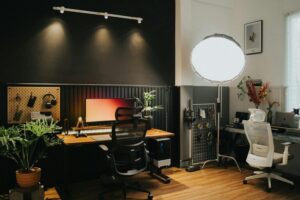
Finding the best spot in your home for a workspace is the first step. Ideally, select a quiet area with minimal distractions and good natural light. This could be a spare room, a corner of the living room, or a dedicated nook. If your space is limited, try using room dividers or curtains to separate your workspace visually and acoustically from other areas.
2. Invest in Ergonomic Furniture
Comfort matters when you spend hours working at a desk. An ergonomic chair that supports your posture and a desk at the right height can prevent discomfort and reduce strain on your back, neck, and wrists. Consider adjustable chairs and standing desks, which allow you to change positions throughout the day. Pair your desk setup with an external keyboard and mouse if you use a laptop, to maintain a healthy wrist position.
3. Optimize Lighting
Good lighting reduces eye strain and helps maintain alertness. Natural daylight is the best option, so position your desk near a window if possible. Supplement natural light with soft, warm artificial lighting that illuminates your workspace evenly. Avoid harsh overhead lights or screen glare. Desk lamps with adjustable brightness and color temperature are a great addition.
4. Reduce Clutter and Organize Supplies
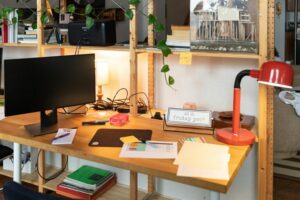
A tidy workspace promotes focus and lowers stress. Use shelves, drawers, and organizers to keep your supplies and paperwork in order. Only keep essential items on your desk to prevent distractions. Label storage containers and file folders to make it easy to find what you need quickly. Regularly declutter your space, discarding or storing unused materials.
5. Create a Dedicated Technology Setup
Keep your technology organized and functional. Invest in good-quality internet equipment, such as routers or range extenders, to ensure a strong connection. Arrange cables neatly using clips or sleeves to avoid tangling. Consider a separate monitor, keyboard, and mouse setup if you work primarily on a laptop. Backup your data regularly, and ensure your software is up to date.
6. Personalize Your Space, but Keep It Professional
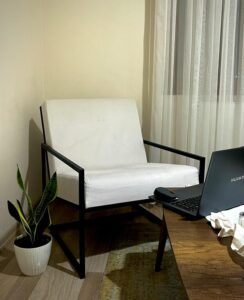
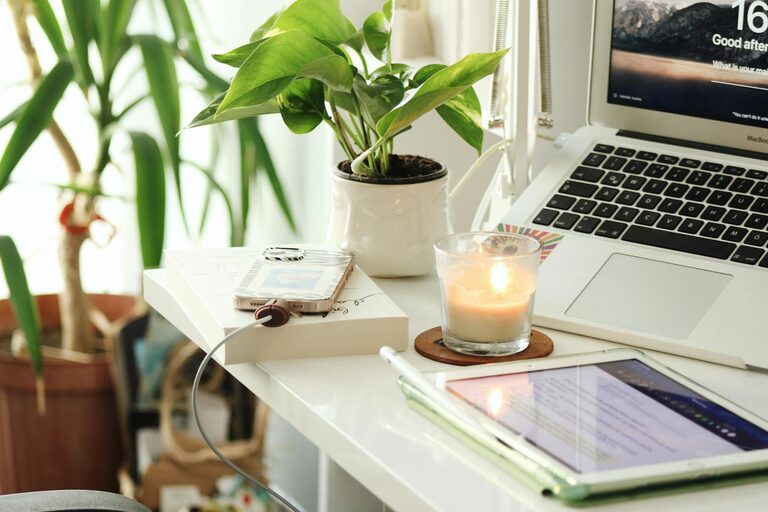
Adding personal touches like plants, photos, or inspiring artwork can make your workspace more inviting and boost your mood. However, avoid overly distracting decorations. Choose items that motivate you and create a positive atmosphere. Plants not only add visual appeal but can also improve air quality and reduce stress.
7. Establish Daily Routines and Boundaries
A productive home office requires discipline. Set clear working hours and stick to them. Use a dedicated calendar or planner to organize tasks and appointments. Communicate your schedule to family or housemates to minimize interruptions. Taking short breaks regularly helps maintain focus and reduces mental fatigue.
8. Manage Noise Levels
Noise can disrupt concentration, especially if your home is busy. Use noise-cancelling headphones or play background music if it helps you focus. White noise machines or apps can also mask distracting sounds. If possible, choose a room with good sound insulation, or use rugs and curtains to reduce echo.
9. Keep Air Quality Fresh
Fresh air and proper ventilation improve alertness and comfort. Open windows regularly or use air purifiers to maintain good air quality. Indoor plants can also enhance oxygen levels. Avoid strong chemical cleaners or air fresheners that may cause irritation.
10. Regularly Review and Adjust Your Setup
Your needs and preferences may change over time. Periodically assess how well your home office supports your productivity and comfort. Be open to rearranging furniture, upgrading equipment, or refining routines. Staying adaptable helps keep your workspace fresh and effective.
—
Creating a productive home office environment is a combination of thoughtful design, good habits, and comfort. By implementing these practical tips, you can turn any space into a place that encourages focus and makes working from home a positive experience. Remember that the goal is to support your work style while maintaining a healthy balance between professional tasks and personal well-being.